Strategic Typography: Leveraging Bojong for Distinctive Brand Positioning
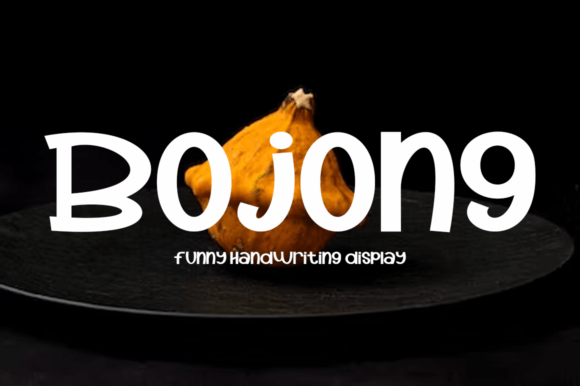
In the crowded landscape of digital and print media, typography is rarely just about legibility; it is a fundamental component of strategic communication. Bojong emerges in this context not merely as a stylistic choice, but as a deliberate tool for brands and creators seeking to disrupt standard visual hierarchies. As a unique and interesting display font with a quirky character, Bojong possesses the specific ability to cut through noise while maintaining an approachable, human tone. However, integrating such a distinct typeface into a professional portfolio requires more than aesthetic appreciation; it demands a clear understanding of where it fits within your broader goals, planning frameworks, and operational workflows.
The primary value of Bojong lies in its versatility across varied contexts, provided those contexts are chosen with intention. Unlike neutral sans-serif fonts designed to disappear into the background, Bojong commands attention. This makes it exceptionally adept for headlines, packaging, logo lockups, and short-form promotional materials where the objective is immediate engagement. For entrepreneurs and marketers, the decision to utilize Bojong should stem from a desire to signal creativity, informality, or a break from corporate rigidity. When used correctly, it transforms a standard message into a memorable experience, directly influencing customer perception and brand recall.
Aligning Font Selection with Strategic Goals
Before downloading or purchasing any typeface, including Bojong, successful practitioners must align the font's personality with their overarching business objectives. Typography acts as the voice of your brand before a single word is read. If your goal is to establish trust in a high-stakes financial sector, a quirky display font might introduce unnecessary friction. Conversely, if your aim is to launch a lifestyle product, an educational tool for children, or a creative agency portfolio, Bojong offers a strategic advantage by instantly communicating playfulness and innovation.
Thoughtful use of Bojong supports long-term branding efforts by creating a consistent visual anchor. Consistency does not mean using the same font everywhere; it means using the right font in the right place to reinforce identity. By reserving Bojong for key touchpoints—such as campaign headers, event signage, or limited-edition product labels—you create a hierarchy that guides the audience's eye and emphasizes what matters most. This selective application prevents visual fatigue and ensures that when Bojong appears, it carries weight and significance.
- Brand Differentiation: Use Bojong to separate your visual identity from competitors relying on generic system fonts.
- Emotional Connection: Leverage its quirky nature to evoke warmth, curiosity, and approachability in customer communications.
- Contextual Adaptability: Deploy the font across diverse mediums, from social media graphics to physical merchandise, to maintain a cohesive yet dynamic presence.
Operationalizing Creativity: Practical Use Cases
For freelancers, bloggers, and small business owners, the practical application of Bojong can streamline content creation while enhancing output quality. Consider the workflow of a content marketer planning a quarterly campaign. Instead of defaulting to safe, overused typefaces, introducing Bojong into the headline strategy can refresh the entire visual narrative. Its unique letterforms invite the reader to pause, increasing the likelihood of engagement with the underlying message.
In the realm of product design and packaging, Bojong serves as a powerful differentiator on crowded shelves. A coffee brand aiming to highlight its artisanal, small-batch origins might use Bojong on the label to suggest a handcrafted, non-industrial process. Similarly, educators developing learning materials can utilize the font to make complex topics feel less intimidating and more accessible to students. The key is to match the font's inherent "quirk" with the brand's story, ensuring that the visual style reinforces the operational reality of the product or service.
When planning projects, consider the following scenarios where Bojong adds maximum value:
- Campaign Launches: Use for hero images and landing page headers to generate immediate intrigue.
- Social Media Assets: Apply to quote cards and story overlays to increase shareability and visual stop-power.
- Merchandise and Swag: Print on t-shirts, tote bags, or stickers to turn customers into brand ambassadors through distinctive design.
- Event Branding: Utilize for conference badges, banners, and invitations to set a tone of creativity and informal networking.
Risk Management and Decision-Making
While Bojong offers significant strategic benefits, relying on it without clear goals or context introduces tangible risks. The most common pitfall is overuse. Because Bojong is a display font with strong personality, using it for body copy or long-form text can severely degrade readability and user experience. This is not just an aesthetic error; it is a functional failure that can lead to higher bounce rates on websites or disengagement with printed materials. Decision-makers must enforce strict guidelines regarding font pairing and usage limits.
Another risk involves misalignment with brand values. If a company positions itself as ultra-premium or strictly traditional, the quirky nature of Bojong might undermine that positioning, causing confusion among the target audience. Before committing to Bojong as a primary brand asset, conduct a audit of your current brand guidelines. Ask whether the font supports your mission statement and resonates with your specific demographic. If the answer is ambiguous, it may be wiser to reserve Bojong for secondary campaigns rather than core identity elements.
Furthermore, accessibility remains a critical consideration. Display fonts often feature irregular stroke widths or unconventional shapes that can challenge readers with visual impairments. To mitigate this, always pair Bojong with a highly legible sans-serif or serif font for body text. Ensure sufficient contrast ratios and avoid using the font at small sizes where its unique details might become muddy or illegible. Responsible design practices dictate that creativity never comes at the expense of inclusivity.
Planning for Long-Term Value
Integrating Bojong into your creative toolkit is an investment in your brand's visual vocabulary. To maximize return on this investment, approach its usage with a long-term perspective. Develop a style guide that explicitly defines when and how Bojong should be used. Include examples of correct and incorrect applications to ensure consistency across your team and any external partners. This documentation serves as a safeguard against ad-hoc decisions that could dilute brand equity over time.
Productivity also improves when teams have clear directives. Instead of debating font choices for every new project, having a pre-approved display font like Bojong accelerates the design process. Designers can focus on layout, imagery, and messaging, knowing that the typographic foundation is already solid. This efficiency allows for faster iteration and quicker time-to-market for campaigns and products.
Ultimately, the power of Bojong lies in its ability to humanize digital and physical interactions. In an era where automation and AI-generated content are becoming ubiquitous, a font with genuine character helps brands reconnect with audiences on a personal level. By using Bojong intentionally—grounded in strategy, governed by clear rules, and applied with discernment—you transform a simple design element into a catalyst for better communication and stronger business results.
As you move forward with your next project, evaluate your current typographic landscape. Ask yourself if your current fonts are truly serving your goals or if they are simply defaults. If you seek to inject personality, improve engagement, and stand out in a saturated market, Bojong offers a compelling solution. But remember, the font is only as effective as the strategy behind it. Plan carefully, execute precisely, and let the unique character of Bojong work strategically for your brand.